The Math: Why Scored Storm Leads Beat Door-Knocking 3-to-1
The cost-per-contract math on working a scored, exclusive storm list versus blanket door-knocking the same neighborhoods — and why the numbers favor the list 3-to-1.
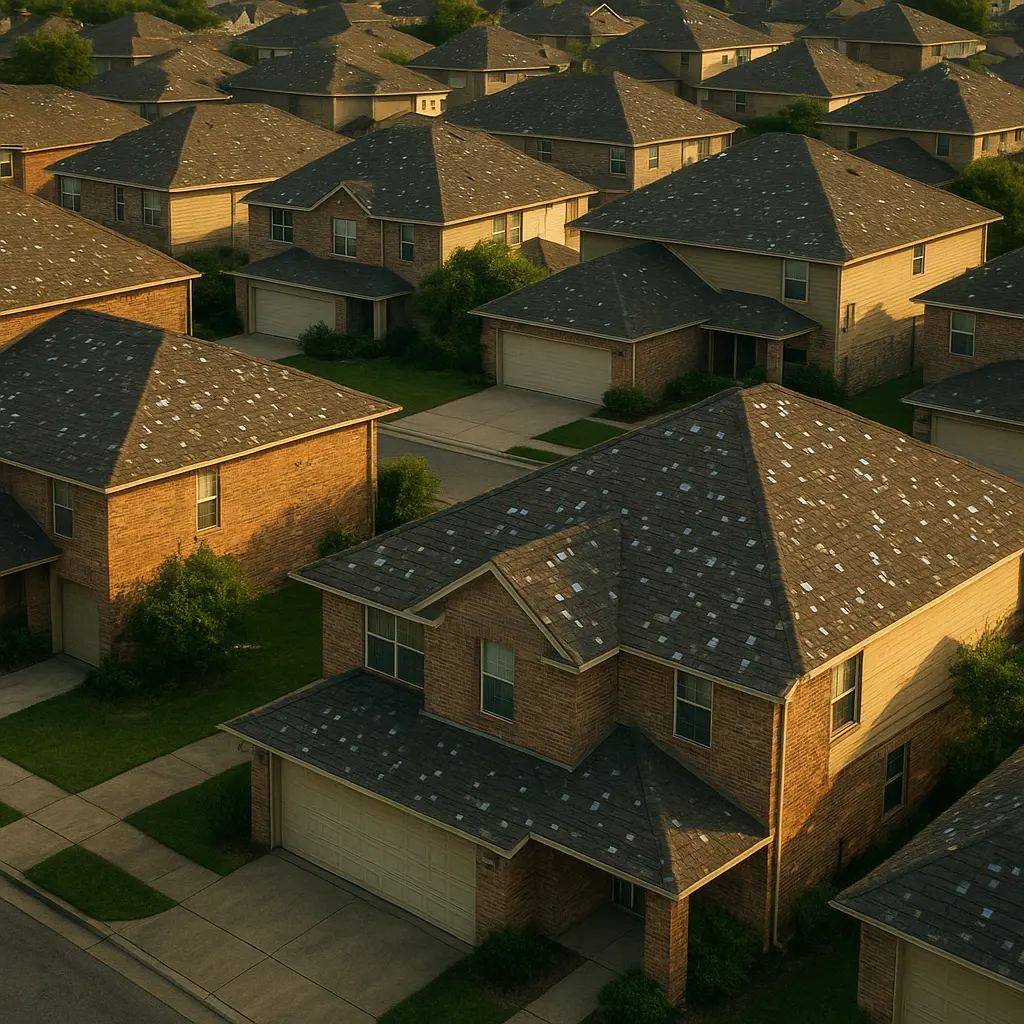
Door-knocking burns through your crew's time, gets doors slammed in your face, and converts at low single digits on a good day. Meanwhile, the Colorado roofers closing more storm work each season stopped chasing random addresses years ago. They target storm-roofing leads verified by NOAA weather data, ranked by damage probability, and delivered with contact information already attached. The difference is not hustle. It is using actual storm tracking to identify properties with verified hail strikes and aged roofs before competitors even know which neighborhoods got hit.
On this page
- Quick takeaways
- Why door-knocking kills conversion rates
- How storm-verified data changes lead quality
- The exclusive-territory advantage
- Contact information versus cold knocking
- Ranking leads by close probability
- Comparison: traditional versus data-driven approaches
- Frequently asked questions
Quick takeaways
| Key insight | Why it matters |
|---|---|
| NOAA storm data identifies actual damage zones | Verified hail strikes and wind events eliminate guesswork about which neighborhoods sustained roof damage, focusing your crew only on affected areas |
| Roof age plus storm severity equals close probability | A 15-year roof hit by 1.5-inch hail aligns two damage indicators at once, dramatically raising contact-to-contract conversion |
| Pre-qualified contact information cuts cycle time | Calling or texting a homeowner with verified storm damage and DNC-screened contact info beats a cold front-porch knock at almost every step |
| Exclusive territories prevent lead competition | One roofer per city or county bundle means no bidding wars and no racing competitors to the same address |
| Property value filters increase average job size | Targeting higher-value homes in storm zones raises average contract value compared to random neighborhood walks |
| Satellite imagery provides visual damage confirmation | Showing homeowners aerial views of their own roof during first contact establishes immediate credibility |
| Real-time delivery captures the insurance claim window | Storm-damage leads delivered within hours of a weather event reach homeowners before adjusters schedule inspections |
Why door-knocking kills conversion rates
Door-knocking wastes the overwhelming majority of contact attempts on properties with no damage, no insurance claim interest, or roofs replaced two years ago. Your crew spends six hours walking a subdivision to book maybe one inspection. The math does not work when you calculate labor cost per signed contract.
The biggest conversion killer is timing randomness. You knock when homeowners are at work, eating dinner, or already signed with the first roofer who showed up three days ago. Without storm-verified targeting you are gambling that the house you knock on actually sustained damage and has not already contracted repairs.
The second problem is credibility. Homeowners see door-knockers as pushy salespeople, not damage experts. When you open with "We're working in your neighborhood," they hear "We're randomly canvassing and hoping you need a roof." That perception destroys trust before you can demonstrate expertise.
Pro tip: Track your door-knock conversion rate by dividing signed contracts by total doors knocked. If you are anywhere near the low single digits — which is where most canvassing operations land — you are burning money on an inefficient prospecting method that data-driven targeting solves immediately.

How storm-verified data changes lead quality
NOAA weather data does not guess which neighborhoods got hit. It records exact hail size, wind speed, and storm-path coordinates for every weather event. When you pull roofing leads Colorado contractors actually close, you start with properties inside verified damage zones — not entire ZIP codes, not random subdivisions.
Combining storm severity with roof age creates a multiplier effect. A 12-year roof in a neighborhood that took 1.75-inch hail aligns two strong damage indicators at once, and the close rate climbs accordingly. Compare that to knocking on every door in a subdivision where most roofs are under five years old and half the homes missed the storm path entirely.
Roof age as a damage amplifier
Roofs older than ten years show substantially higher damage rates from the same hail event compared to new installs. When you filter storm-damage leads by properties with roofs aged 12-20 years inside verified storm zones, you are targeting homes where adjusters will find compensable damage on a high share of inspections.
Property value adds the third filter. Homes valued above $400K typically carry better insurance policies with higher coverage limits and lower resistance to filing claims. These homeowners close faster because they understand property maintenance and have the financial stability to handle deductibles without hesitation.
The exclusive-territory advantage
Most lead-generation platforms sell the same address to four or five roofers simultaneously, turning every opportunity into a price war. You show up for an inspection only to find competitors already measured the roof and submitted bids below your cost structure.
Exclusive county or city territories eliminate that problem completely. When you are the only roofer receiving storm-verified leads in your coverage area, homeowners are not comparing your quote against three others who called the same afternoon. You control the sales conversation instead of competing on price alone.
Exclusive territories also shift homeowner perception. They see you as a specialist serving their specific area rather than one of dozens of contractors mass-calling from a purchased list. That perception shift matters more than most roofers realize when the homeowner decides who gets the contract.
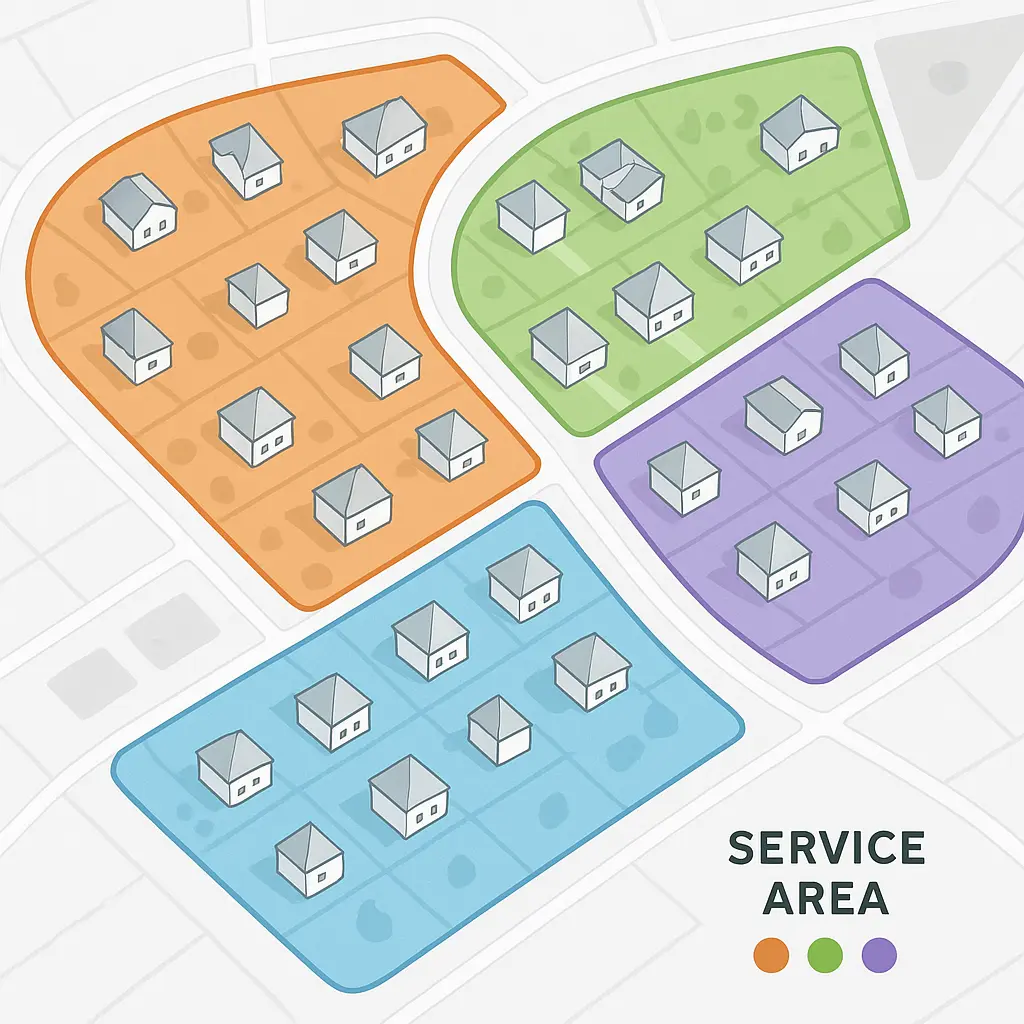
Pro tip: When contacting homeowners in your exclusive territory, mention you specialize in their area specifically. "I work exclusively in Jefferson County" positions you as the local expert rather than a traveling storm chaser.
Contact information versus cold knocking
Pre-qualified leads with owner names and contact information let you reach homeowners when they are actually available to talk. Calling or texting at 6:30 PM on a Tuesday reaches decision-makers who ignore door-knocks during dinner but will answer a text about potential roof damage.
You are not interrupting their day or standing on their porch hoping they are home. You are reaching out as a damage specialist with information about a storm that hit their property specifically. The contact information should also be screened against the federal Do-Not-Call registry so you cannot accidentally trigger TCPA fines — a baseline that purchased mailing lists rarely meet.
Opening with satellite imagery
When you contact homeowners with satellite imagery of their property included in the lead package, you bypass the "Is this a scam?" hesitation that kills most cold outreach. Showing them an aerial view of their own roof with visible wear patterns or potential damage zones establishes credibility in the first 30 seconds of the conversation.
This approach works because you are leading with value instead of a sales pitch. "I'm reviewing properties affected by the June 15th hailstorm, and satellite imagery shows your roof may have sustained damage" positions you as an information source, not a contractor chasing a commission.
Ranking leads by close probability
Not every property in a storm zone carries equal close probability. Smart roofers prioritize leads scored by multiple damage indicators instead of working addresses alphabetically or by street order. A 17-year roof hit by 2-inch hail on a $650K property deserves your first call, not the fifth one you get to after lunch.
Lead-scoring systems that combine roof age, storm severity, and property value let you work your highest-probability opportunities first. Working leads in ranked order instead of random sequence dramatically raises your weekly close rate with the same number of contact attempts.
Storm severity multipliers
Hail size directly correlates with damage probability and insurance claim approval rates. Properties hit by 1.75-inch or larger hail show compensable damage on most adjuster inspections. Storms with 1-1.25-inch hail can damage older roofs but often fail to meet insurance claim thresholds on newer installs.
When you prioritize leads from severe weather events first, you target homeowners who will actually get claim approvals instead of chasing marginal damage that adjusters deny. A common mistake is treating all storm events equally when hail size and wind speed create big differences in damage rates and claim success.
Comparison: traditional versus data-driven approaches
| Method | Typical conversion | Key trade-off |
|---|---|---|
| Door-to-door canvassing | Low single digits | No upfront cost, but burns crew time on random properties with no verified damage or contact qualification |
| Shared lead platforms (HomeAdvisor, Angi) | Mid single digits | Immediate leads, but you compete with several other contractors on every address, forcing price-based competition |
| Storm-verified exclusive leads | Substantially higher | NOAA data targets actual damage zones, exclusive territories eliminate competition, contact information is pre-qualified |
The math is straightforward. Eliminating unqualified properties from your pipeline means your crew spends time installing roofs instead of walking neighborhoods hoping someone needs your services.
Cost per acquisition reality
Door-knocking looks free until you calculate labor hours. Two crew members spending 30 hours per week canvassing at $25/hour costs $1,500 in labor to generate a handful of signed contracts. Add fuel, vehicle wear, and opportunity cost from pulling installers off job sites and the per-contract math gets ugly fast.
A storm-verified exclusive territory replaces all of that with a flat monthly subscription. You know exactly what your lead pipeline costs each month, your crew stays on roofs instead of porches, and the close rate works in your favor because every lead carries verified damage indicators before you pick up the phone.
Frequently asked questions
What makes storm-verified leads convert better than regular roofing leads?
Storm-verified leads use NOAA weather data to confirm actual hail strikes and wind events hit specific properties, eliminating guesswork about damage probability. When you contact homeowners who experienced verified weather events on roofs aged 10-20 years, you are targeting real damage instead of random prospecting.
How quickly do Colorado roofers need to contact leads after storm events?
Contact within the first few days of the storm event captures homeowners before insurance adjusters schedule inspections and before competitors saturate the market. Homeowners are actively assessing damage during this window and are receptive to specialist outreach. Wait more than a week and conversion drops materially as the urgency fades and early responders lock up contracts.
Why does exclusive territory access increase close rates?
Exclusive territories eliminate the bidding wars that happen when several roofers receive the same lead simultaneously. Homeowners perceive you as a specialist serving their specific area rather than one of dozens calling from a shared list. You control the sales conversation instead of competing purely on price.
What roof age range produces the highest conversion on storm-damage leads?
Roofs aged 12-20 years in verified storm zones convert at the highest rates because they show substantial damage from hail events that newer roofs resist. Adjusters approve claims on a high share of inspections in this age range when storm severity data confirms significant weather exposure. Roofs under eight years rarely meet claim thresholds unless hail exceeds two inches.
How do satellite imagery and property data improve first contact success?
Leading with satellite imagery of the homeowner's actual property immediately establishes credibility and bypasses the "Is this legitimate?" hesitation that kills cold outreach. When you reference their specific roof condition and verified storm exposure in the first 30 seconds, homeowners engage as information seekers rather than deflecting a sales pitch.
Can smaller roofing companies compete using storm-verified lead systems?
Storm-verified leads actually favor smaller operations because you are competing on expertise and response speed rather than marketing budget. A two-truck operation working a focused set of exclusive leads each month outperforms ten-truck companies burning crews on door-to-door canvassing. The quality of your targeting matters more than company size when every lead carries verified damage indicators.
What property value threshold produces the best contract values in Colorado?
Properties valued above $400K in Colorado storm zones carry better insurance policies and larger roof square footage, raising average contract values compared to random canvassing. Homeowners in this range close faster because they maintain properties proactively and handle deductibles without extended negotiations. Filtering leads by property value ensures your crew's time focuses on higher-value opportunities.
What is your biggest challenge with storm-lead conversion: reaching homeowners before competitors, qualifying damage probability, or closing without price wars? Share your experience in the comments.
References
- NOAA Storm Events Database — federal record of every reported hail, wind, and tornado event in the U.S.
- Federal Do-Not-Call Registry — the compliance baseline any roofer's outreach contact list must clear.
One roofer per city. Real leads from real storms.
Exclusive Colorado territories with NOAA-verified storm scoring and TCPA-compliant outreach data.
Colorado roofing contractors are abandoning door-knocking — the data shows 3-4× higher conversion rates and a fraction of the labor hours from NOAA storm-verified leads. Inside the shift.
Door-knocking burns $1,800/week per crew with rejection rates near 95%. Working a scored, exclusive lead list flips the cost-per-contract math. Here's what Colorado roofers actually spend per signed roof.
Texas made marketing texts a regulated telephone solicitation in September 2025, and plaintiff firms noticed. Here's what a roofer can legally call, text, mail, and knock in 2026 — and the per-message math that should end cold-texting in Texas.